The Cost of Steel and Sky: Engineering the Hard Choices of Second World War Aircraft Carriers
CHAPTER 1: THE GEOGRAPHY OF WAR
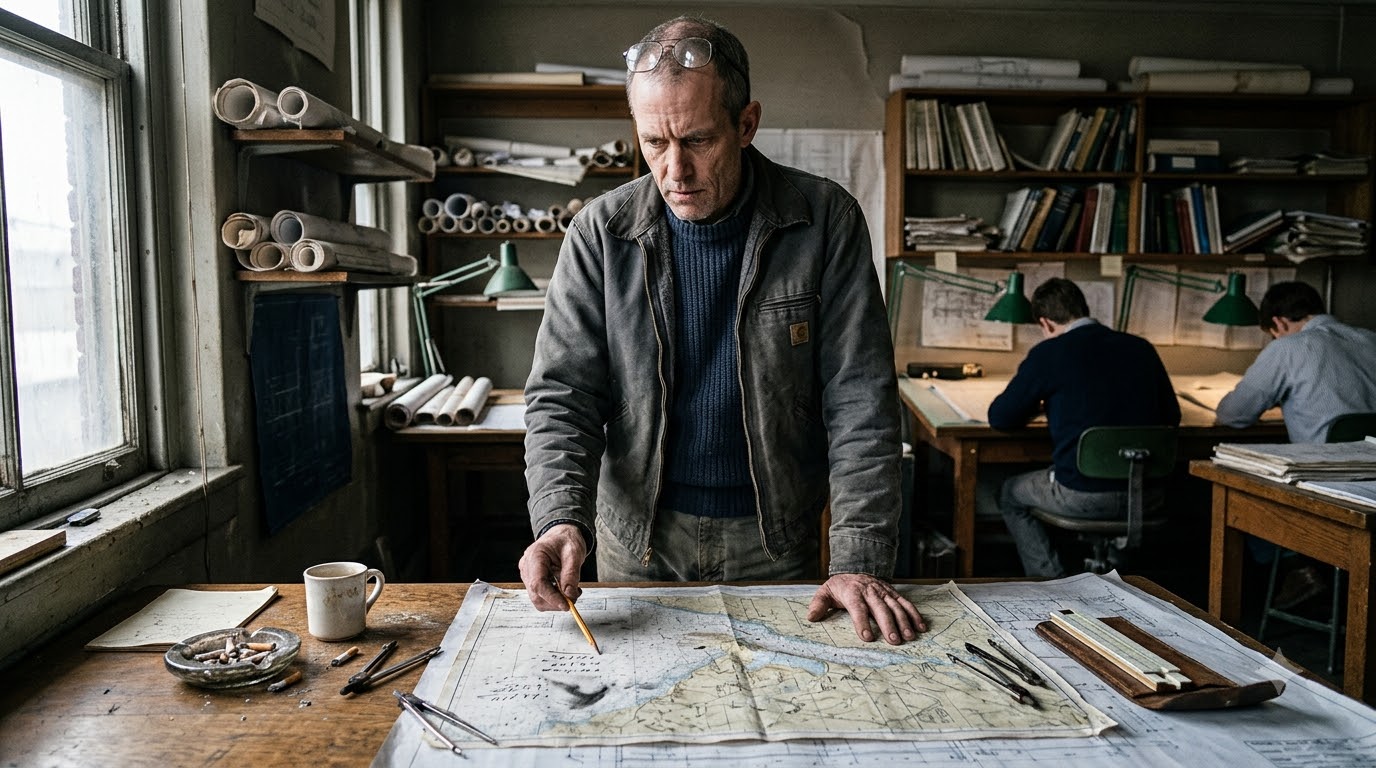
The blueprint table smelled of stale tobacco and damp paper. Outside the drafting room, the North Sea wind rattled the iron rivets with a cold, monotonous persistence.
There was no romance in the calculations, only the grim physics of weight distribution. Every ton of steel added to the horizontal plane meant something else had to be sacrificed below decks.
The naval architects did not build for glory. They built for the specific map spread out across the scarred oak desk.
In the confined waters of Europe and the Mediterranean, land-based bombers held the tactical monopoly. A carrier operating within range of heavy airfields could expect sustained, day-after-day assaults.
You could not sink an airfield with a single counter-strike. Therefore, survival against the inevitable impact was the only logical baseline for survival.
The pencil snapped against the margin with a dry click. The margins of error on these hulls were razor thin, and the men pushing the slide rules knew the bitter cost of getting it wrong.
CHAPTER 2: WEIGHT OF THE DECK
The hangar calculations did not care about national pride or boardroom boasts. Every pound of horizontal armor plated onto the uppermost deck demanded an immediate sacrifice elsewhere in the hull’s architecture.
The structural engineers traced the stress lines with heavy grease pencils, marking where the weight would concentrate under a direct bomb hit.
To support heavy steel plate overhead, the supporting pillars had to thicken, and the vertical walls had to box in tightly to form a rigid, enclosed shelter.
That enclosure locked the aircraft inside a protected shell, but it ruthlessly choked the overhead clearance.
The maintenance crew shoved a scale model of a newer torpedo bomber into the draft of the lower hangar bay, watching the tail assembly wedge firmly against the overhead girders.
It simply would not clear the deck support frames without a major redesign of the folding wings.
Every protective layer added above meant fewer aircraft could fit below, forcing commanders to wage war with a lean, restricted air group while the enemy massed numbers across the horizon.
CHAPTER 3: THE PACIFIC CALCULUS
The operational reality of the western ocean demanded a completely different set of compromises.
In the wide maritime expanses, the primary threat was no longer the static land-based airfield, but the rival carrier group operating over the horizon.
Commanders looked at the vast blue grid and realized that stopping an incoming strike package required maximum air group volume.
The planners cleared the uppermost surface of clutter, leaving the flight deck completely unarmored to maximize storage space and weight efficiency.
Aircraft sat parked out in the open air, wingtip to wingtip, exposing them entirely to the elements but multiplying the offensive punch threefold.
It was a calculated gamble built on industrial scale—accepting that the ship would have to rely on out-ranging and overwhelming the adversary before the blow could land.
CHAPTER 4: SURVIVING THE HAMMER
The bomb impacts recorded in the southern seas laid bare the stark reality of horizontal protection.
When a heavy armor-piercing shell slammed downward onto an enclosed flight deck, it met a dense barrier that forced the blast upward instead of letting it gut the lower machinery spaces.
The blast scarred the steel and tore away plate, but the ship remained afloat and operational within hours.
Across the ocean, unarmored hulls took the same blows and watched the decks split wide open, sending fire straight down into the crowded hangar bays where aviation fuel and munitions waited.
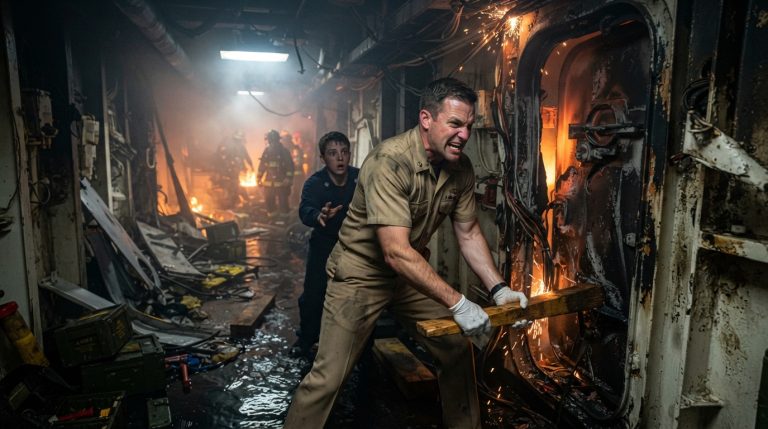
The damage control crews worked miracles with foam and shoring timber, but the structural cost was immediate and devastating.
You could patch a hole in a steel plate, but you could not easily replace a ship whose spine had buckled from internal conflagration.
CHAPTER 5: THE STRIKE DEFICIT
The heavy iron hulls sat proudly in the dock, their armored plates intact and their internal machinery completely functional after a punishing engagement.
Yet the silence on the flight deck was deafening.
While the indestructible ships survived every bomb and kamikaze drop thrown their way, their restricted hangar space and smaller air wings meant they had delivered only a fraction of the counter-strike force needed to crush the adversary.
Survival had been achieved, but at the bitter cost of operational momentum.
The admirals stared at the ledger numbers, recognizing that a ship built to withstand anything was worthless if it could not pack enough punch to end the fight.
The compromise was absolute, exposing the harsh truth that absolute defense always traded away the decisive power of the offensive sword.
CHAPTER 6: TWO SIDES OF TRUTH
The post-war drawing boards did not pick favorites between the two rival schools of thought.
Engineers from both sides reviewed the wreckage and the survival logs, stripping away the national pride to look strictly at what worked and what failed under fire.
The heavy armored flight deck had proven its worth against the relentless rain of land-based bombs and crashing kamikazes.
Yet the sprawling, unarmored hulls had proven equally vital by carrying the crushing air volume necessary to hammer an enemy across vast ocean distances.
The two philosophies had never been mutually exclusive opposites; they were simply two desperate answers to two entirely different maritime environments.
The final design standards of the modern era quietly absorbed the lessons of both, fusing heavy protective decks with optimized striking capacity into a single, unified hull.